
Slide 1 of 2

Accelerating Innovations For
Substance Use Disorders

Our Mission

Tackle the Substance Use Disorder Crisis with Innovation

Substance use disorders (SUDs) remain critically underfunded despite their widespread societal impact. I4SUD is changing that by equipping scientists with the tools, training, and mentorship needed to turn groundbreaking research into real-world solutions.

Our program blends business, medicine, and science to help basic and clinical researchers—no prior business experience required—transform ideas into entrepreneurial ventures. Over several weeks, participants engage in asynchronous learning, followed by an intensive 4-day, in-person training in Baltimore, MD. The experience includes hands-on design thinking, clinical site visits, and insights from experts and those with lived SUD experience.

By program’s end, trainees will pitch their ideas to investors, with a chance to win seed funding and gain an edge in securing NIDA entrepreneurial grants. Graduates receive a formal certificate from the Carey Business School, and both individuals and teams are encouraged to apply.

woman holding a bag of pills

Multidisciplinary Faculty

Our team comprises multidisciplinary faculty and experts from the fields of business, medicine, entrepreneurship and substance use disorders research.

Clinical Site Visits

Our participants get the opportunity to do first-hand market research by visiting operational clinics and organizations that serve persons with substance use disorders.

Certificate of Completion

All participants who complete the program receive a certificate of completion from the Johns Hopkins Carey Business School Office of Executive Education.

Adults Suffer from SUD

Totaling around 28.8 million people in the United States.

Fatal Overdoses Occur

In 2020, 30% higher than previous years.

In Costs to the U.S.

Between healthcare, law enforcement, and lost productivity.

Started or Increased Use

To cope with stress related to COVID-19 Pandemic.
People

Our Team

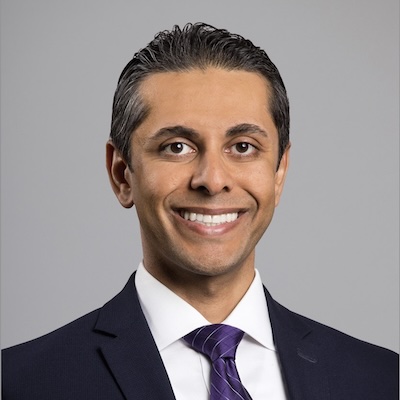
Tayan Patel

Tayan Patel

Faculty
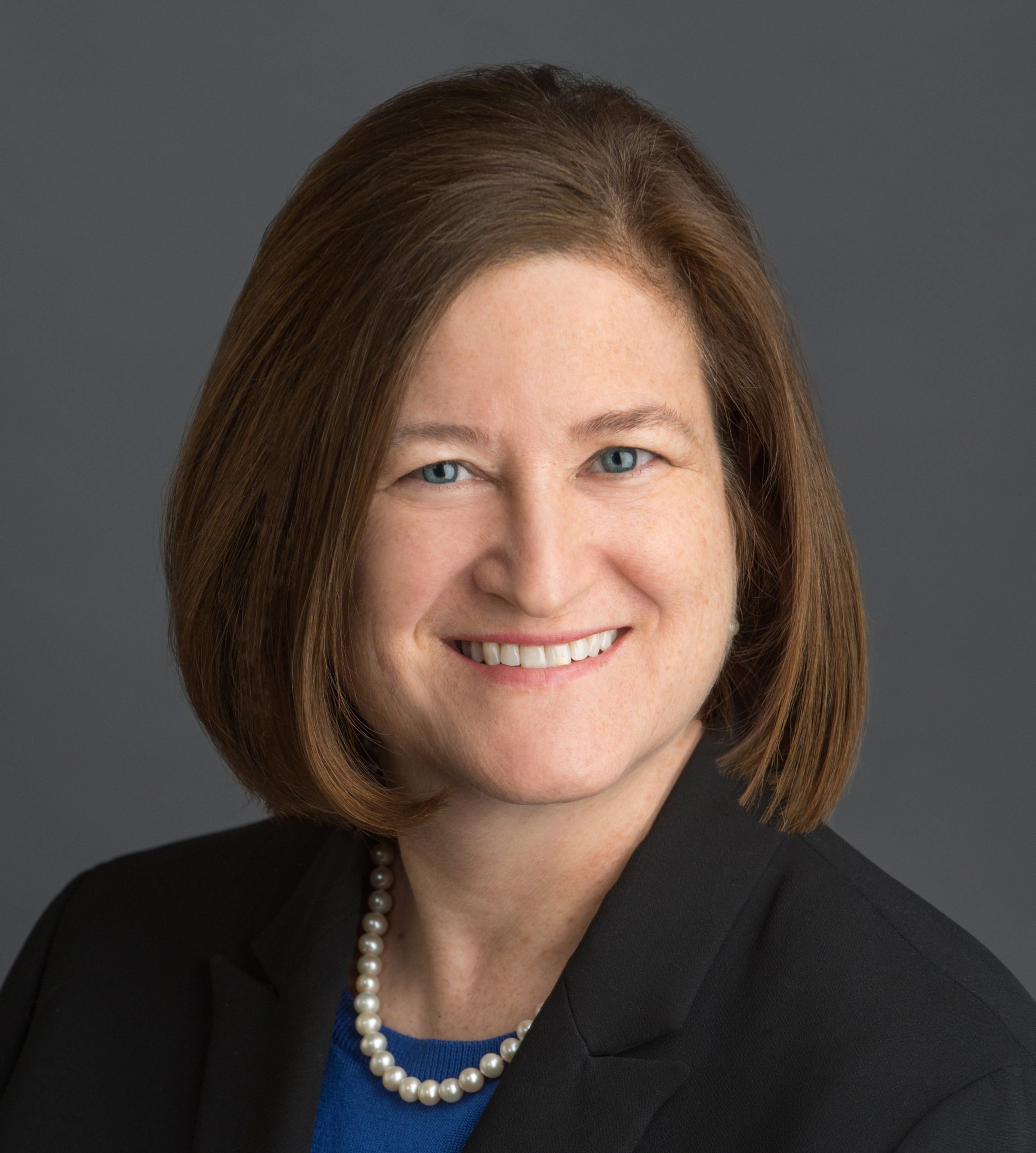
Kelly Clark

Kelly Clark

Faculty
Christina Demur

Christina Demur

Faculty
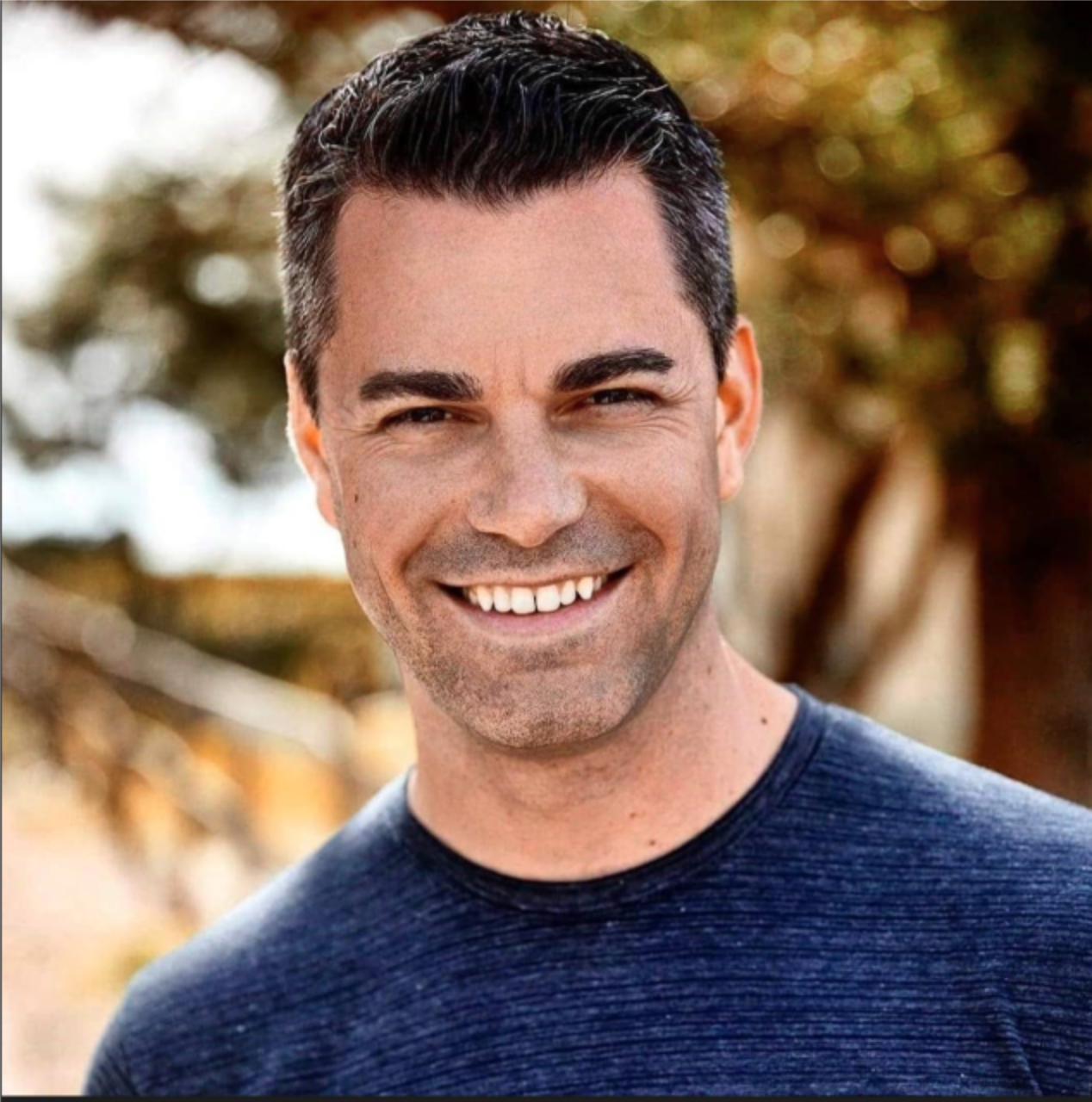
David Reeser

David Reeser

Faculty
Loleta Robinson

Loleta Robinson

Faculty
Jack Fischer

Jack Fischer

Faculty
Milton Greenberg

Milton Greenberg

Faculty
Jo Ellen Slurzberg

Jo Ellen Slurzberg

Faculty

Applications for the 2026 Cohort will open on April 1, 2026

Participant Testimonials
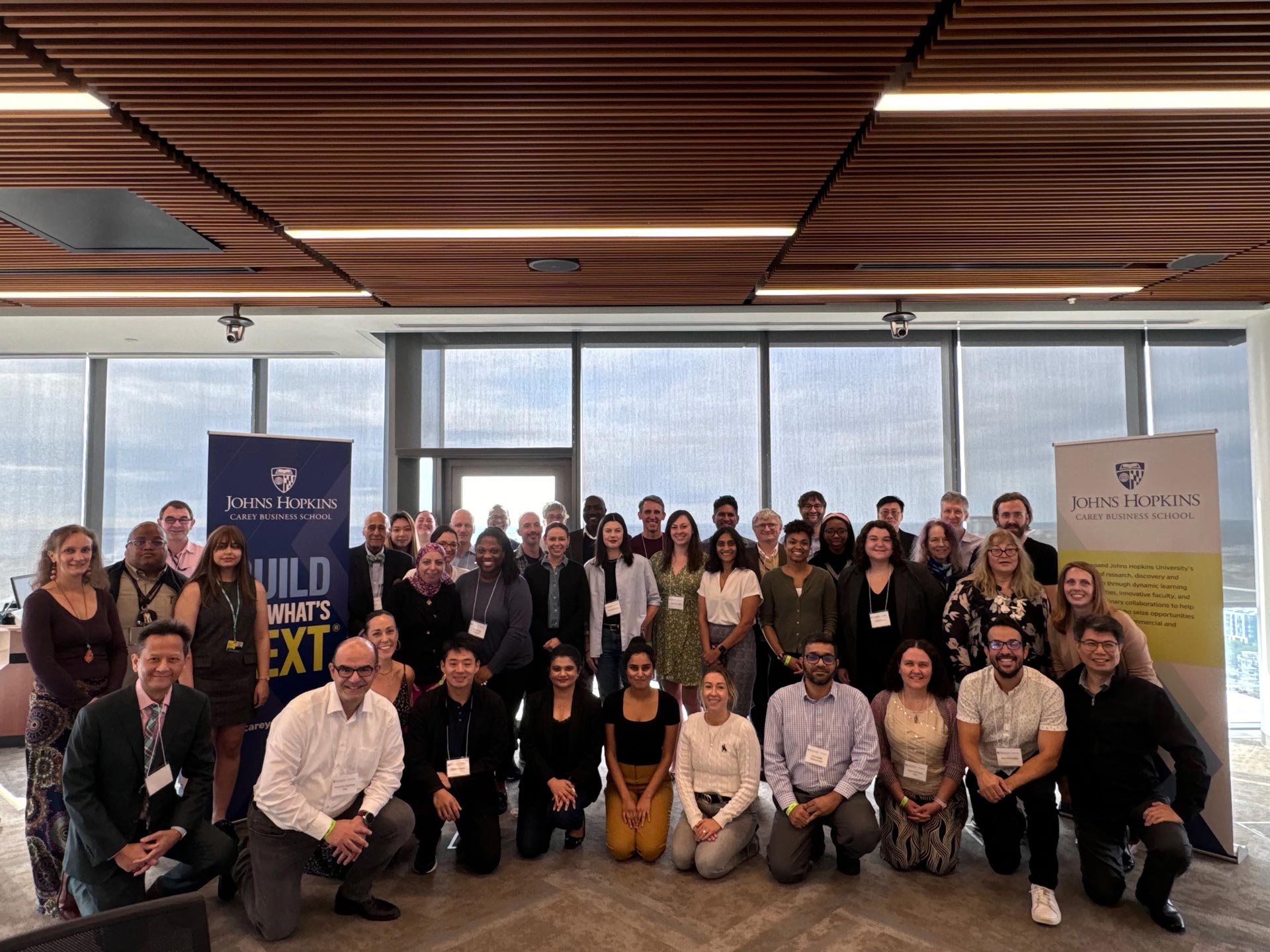
group photo of participants

Events and Engagement

From Discovery to Impact: Advancing Therapeutics for Substance Use Disorders

Events

Talk Description

This presentation outlines the mission, structure, and impact of the Division of Therapeutics and Medical Consequences (DTMC), established in response to a 1989 Congressional mandate to advance medication development for substance use disorders (SUDs). It describes how DTMC, modeled after a virtual pharmaceutical company, supports all phases of therapeutic development—from discovery through regulatory approval—to improve the management of SUDs and their medical consequences, including HIV. The presentation highlights DTMC’s strategic focus on developing safe and effective medications, biologics, devices, digital therapeutics, and behavioral therapies; its collaborations with industry and federal partners; its regulatory engagement with the FDA; and its record of notable contributions to advancing the treatment for opioid, stimulant, cannabis, and nicotine use disorders. The presentation includes opportunities for collaborations with DTMC and funding opportunities to conduct research in this therapeutic development for SUDs.

Speaker

David White, Ph.D. Dr. David White is the Associate Director of the Division of Therapeutics and Medical Consequences (DTMC) and Chief of the Medications Discovery and Toxicology Branch at the National Institute on Drug Abuse (NIDA). In these roles, he oversees DTMC’s preclinical medication discovery and safety assessment efforts for novel pharmacological treatments for substance use disorders. He also coordinates DTMC’s medications development contract program, serves as the Division’s pharmaceutical liaison, and leads DTMC’s business development activities. Dr. White brings more than two decades of leadership experience at NIDA, including service as Director of the Addiction Treatment Discovery Program from 2009 to 2023. Prior to joining NIDA in 2006, he conducted substance use disorder–related research as a research faculty member and postdoctoral fellow in the Department of Pharmacology at Emory University School of Medicine, where he authored numerous peer-reviewed publications. He earned a Ph.D. in neuropharmacology from West Virginia University School of Medicine in 1999 and a B.A. in biology from West Virginia University in 1994.

From Discovery to Impact: Advancing Therapeutics for Substance Use Disorders

Events

From Unstructured Notes to Actionable Insights: LLMs for Medical Cannabis Data Extraction

Events

Talk description

Medicinal cannabis use is widespread but poorly captured in electronic health records and rarely structured enough to support research. This talk presents our efforts to address that gap by applying large language models to millions of clinical notes, extracting structured data on cannabis use patterns, indications, and outcomes. The focus is on the translational potential of this approach: how AI tools can convert an underutilized clinical data source into a research-ready dataset capable of supporting observational studies, and to ultimately inform cannabis policy and improve patient care.

Johannes Thrul

Johannes Thrul, PhD, is an Associate Professor in the Department of Mental Health at the Johns Hopkins Bloomberg School of Public Health and has a joint appointment at the Sidney Kimmel Comprehensive Cancer Center at Johns Hopkins. He received his PhD in Psychology from the Friedrich-Alexander University Erlangen-Nuremberg and completed postdoctoral training at UCSF. His research focuses on substance use and addiction, as well as digital and mobile health research, including the use of smartphone-based ecological momentary assessment and just-in-time interventions. He leads multiple NIH-funded studies and co-directs a national longitudinal research registry to examine the health effects of medicinal cannabis. He has received numerous teaching awards at Johns Hopkins and serves in editorial and scientific advisory roles across the addiction and digital health fields.

Events

The Power of Pitching Your Science

Events

Join us for an interactive webinar where we’ll break down the key components of a compelling pitch and explore what makes a pitch truly stand out. Dr. Elena Koustova, Director, Office of Translational Initiatives and Program Innovations, will walk you through the essential elements that every strong pitch should include, from framing the problem to delivering a compelling value proposition. Then, hear directly from Dr. Lauren Micalizzi, Assistant Professor at Brown University School of Public Health, the winner of our 2024 pitch competition, as she shares her experience and approach to crafting a winning pitch and offers valuable tips for success. Whether you’re preparing for an upcoming competition or convincing a non-scientific audience of the importance of your science, this session will provide practical guidance and real-world insights.

The Power of Pitching Your Science

Events
Training Program

Courses

The comprehensive curriculum is geared towards academic researchers with little to no business knowledge.